

7 January 2026
Allergies affect millions of people and often worsen inside the home, where allergens quietly accumulate over time. Dust mites, pet dander, pollen, mold spores, and microscopic debris can remain invisible while continuously triggering symptoms such as sneezing, itchy eyes, congestion, headaches, and fatigue. While daily tidying helps maintain appearance, it rarely addresses the root causes of indoor allergies.
Professional cleaning plays a significant role in reducing allergen exposure when it focuses on the right methods, surfaces, and frequency. Understanding how allergens behave indoors helps explain why certain cleaning practices work better than others.
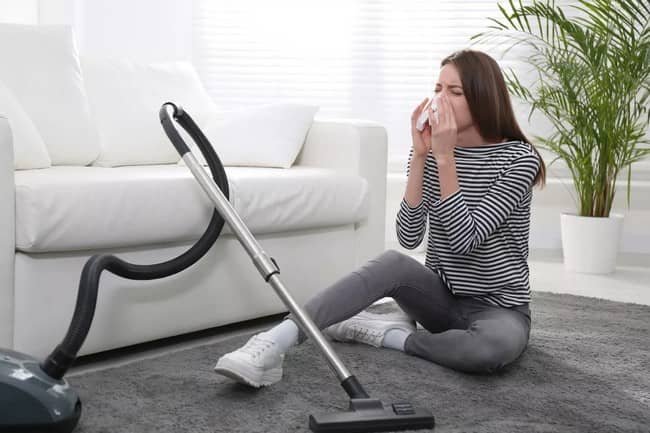
Why Indoor Allergens Are Hard to Eliminate
Indoor allergens settle deep into carpets, upholstery, mattresses, curtains, and ventilation systems. Standard household cleaning tools often remove only surface dirt, leaving allergens embedded in fibers and circulating through the air.
Dust mites thrive in warm, humid environments and feed on dead skin cells found in bedding and upholstered furniture. Pet allergens stick to fabrics and can remain long after a pet leaves the home. Pollen enters through windows, shoes, and clothing, while mold spores develop in damp areas such as bathrooms, kitchens, and basements.
Because many allergens are microscopic, cleaning that focuses only on visible dust does little to reduce allergy symptoms.
How Professional Cleaning Targets Allergens More Effectively
Professional cleaning services use techniques designed to remove allergens at their source rather than simply redistributing them. One of the most important differences is equipment. Vacuums with HEPA filtration capture fine particles instead of releasing them back into the air. This is especially important for allergy sufferers, as airborne allergens are often the main trigger.
Professional cleaners also focus on overlooked areas that contribute heavily to allergen buildup. These include baseboards, vents, ceiling fans, window tracks, and upholstered furniture. By addressing these areas regularly, allergen levels can be significantly reduced over time.
Carpet and Upholstery Cleaning for Allergy Relief
Carpets and upholstered furniture act like filters, trapping allergens deep within fibers. Over time, walking or sitting releases these particles back into the air. Professional carpet and upholstery cleaning uses hot water extraction or low-moisture methods that remove allergens more thoroughly than household vacuums.
Regular deep cleaning of these surfaces can help:
- reduce dust mite populations
- remove pet dander trapped in fibers
- eliminate pollen and fine debris
- improve overall indoor air quality
This is especially beneficial for bedrooms, where prolonged exposure to allergens can disrupt sleep and worsen symptoms.
The Role of Deep Cleaning in Allergy Management
Deep cleaning goes beyond routine maintenance and focuses on areas where allergens accumulate unnoticed. This includes cleaning behind furniture, inside cabinets, on top of wardrobes, and around door frames. Bathrooms and kitchens receive special attention due to moisture, which encourages mold growth.
Deep cleaning also helps remove residue from previous cleaning products that may irritate sensitive individuals. Using neutral, fragrance-free, or low-irritant cleaning solutions can further support allergy-friendly environments.
How Often Should Allergy-Focused Cleaning Be Done?
For households with allergy sufferers, consistency matters more than intensity. Regular maintenance cleaning helps prevent allergen buildup, while periodic deep cleaning ensures that hidden sources are addressed.
Many allergy specialists recommend:
- weekly surface cleaning and vacuuming with HEPA filtration
- regular washing of bedding in hot water
- periodic professional deep cleaning for carpets, upholstery, and hard-to-reach areas
Homes with pets, children, or high foot traffic may require more frequent professional cleaning to maintain symptom relief.
Air Quality and Allergies: The Missing Link
Allergens don’t just sit on surfaces – they circulate through the air. Professional cleaning helps improve indoor air quality by removing dust and debris that would otherwise be redistributed. Cleaning air vents, replacing HVAC filters, and reducing dust reservoirs all contribute to cleaner air.
Improved air quality often leads to noticeable symptom reduction, especially for people with asthma or respiratory allergies.
What Professional Cleaning Can and Cannot Do
While professional cleaning significantly reduces allergen exposure, it is not a cure for allergies. However, it creates a cleaner baseline that allows medications, air purifiers, and lifestyle adjustments to work more effectively.
Professional cleaning is most effective when combined with good ventilation, humidity control, and consistent cleaning routines.
Professional cleaning can play a meaningful role in reducing allergy symptoms when it targets the true sources of indoor allergens. By using proper equipment, focusing on deep cleaning, and maintaining consistency, allergen levels inside the home can be greatly reduced.
For individuals and families struggling with indoor allergies, professional cleaning offers more than visual cleanliness – it supports healthier air, better sleep, and improved daily comfort.