

3 January 2026
When relocating to a new home, cleaning plays a much bigger role than many people expect. Move-in and move-out cleaning are often mentioned together, but they serve different purposes and follow different priorities. Understanding the difference helps tenants, landlords, and homeowners choose the right service and avoid unpleasant surprises during the moving process.
Both types of cleaning go far beyond regular house cleaning and focus on restoring a home to a clean, hygienic, and ready-to-use condition.
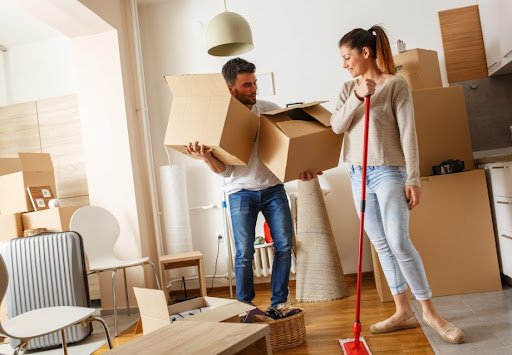
What Is Move-Out Cleaning?
Move-out cleaning is performed after a home or apartment has been emptied. Its main goal is to return the property to a clean and presentable state for the next occupant or for inspection by a landlord or property manager.
This type of cleaning is often required to meet lease agreements and increase the chances of receiving a full security deposit back. Since the space is empty, cleaners can access every surface without obstacles.
Move-out cleaning typically focuses on:
- deep cleaning of kitchens and appliances
- thorough bathroom sanitation
- cleaning inside cabinets, closets, and drawers
- removal of built-up grime, grease, and residue
- detailed floor cleaning, including edges and corners
Because move-out cleaning addresses accumulated wear from daily living, it is usually more intensive than standard maintenance cleaning.
What Is Move-In Cleaning?
Move-in cleaning is done before new occupants settle into the space. Even if a home appears clean, it often contains hidden dust, bacteria, and residue from previous residents or construction work.
The purpose of move-in cleaning is to create a hygienic and comfortable environment before furniture and personal belongings are brought in. This ensures that cleaning can be done thoroughly and efficiently.
Move-in cleaning commonly includes:
- sanitizing kitchens and bathrooms
- cleaning floors, baseboards, and trim
- wiping down surfaces, doors, and handles
- removing dust from vents and light fixtures
- preparing the home for safe and comfortable living
This type of cleaning focuses more on hygiene and freshness than on heavy grime removal.
Key Differences Between Move-In and Move-Out Cleaning
Although both services are detailed, their priorities differ. Move-out cleaning focuses on restoring a used space, while move-in cleaning prepares a space for immediate use.
The main differences include:
- move-out cleaning targets buildup and visible wear
- move-in cleaning emphasizes sanitation and readiness
- move-out cleaning often supports deposit return or property turnover
- move-in cleaning supports health, comfort, and peace of mind
The condition of the home also plays a role. A neglected space may require extensive move-out cleaning, while a recently cleaned property may only need light move-in preparation.
Who Needs Each Type of Cleaning?
Move-out cleaning is ideal for tenants ending a lease, homeowners selling a property, and landlords preparing a unit for new occupants. It ensures the space meets cleanliness expectations and presents well for inspections or showings.
Move-in cleaning benefits new homeowners, renters, families with children, and anyone sensitive to allergens or hygiene concerns. Starting fresh in a thoroughly cleaned home reduces stress and improves indoor air quality.
Can Move-In and Move-Out Cleaning Be Combined?
In some situations, especially during property turnovers, both services are used together. A move-out cleaning restores the space, while a move-in cleaning fine-tunes sanitation before new residents arrive. This approach is common for rental properties and real estate transactions.
Move-in and move-out cleaning may sound similar, but they serve distinct purposes. Move-out cleaning focuses on leaving a space clean and compliant, while move-in cleaning ensures a healthy and comfortable start in a new home. Choosing the right service depends on your role, the condition of the property, and your expectations for cleanliness.
Understanding these differences helps make the moving process smoother, cleaner, and far less stressful.