

29 September 2025
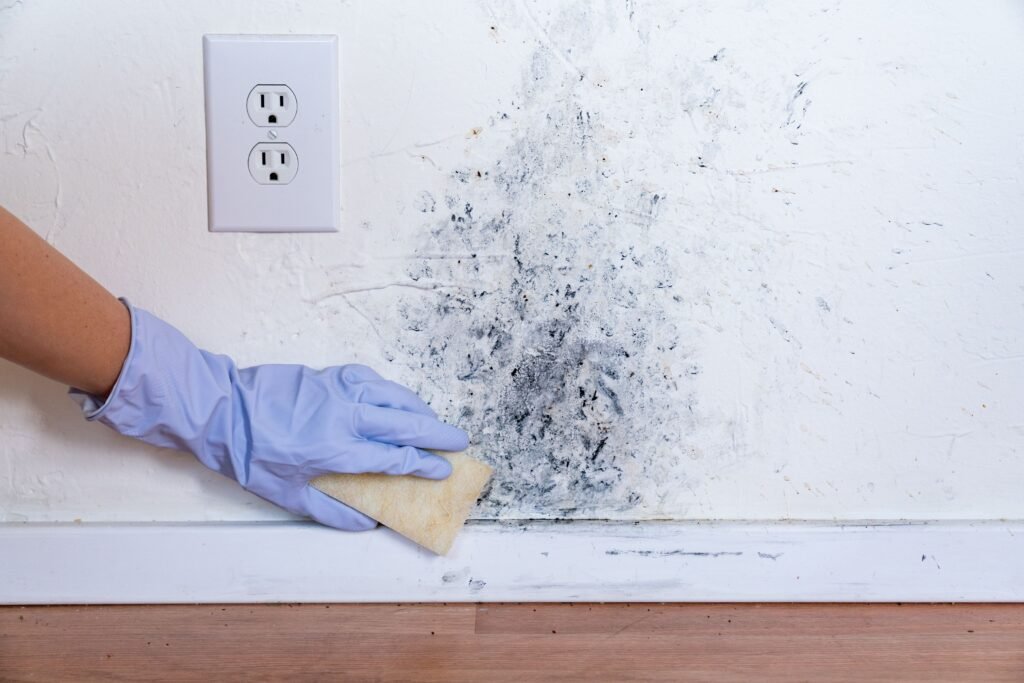
Mold in the bathroom is a common problem due to the high humidity levels and moisture present in this space. Not only is mold unsightly, but it can also cause health issues, especially for individuals with allergies or respiratory problems. Fortunately, removing mold from bathroom walls can be done effectively using natural cleaning methods and cleaning products you likely already have at home.
In this guide, we’ll walk you through the process of removing mold from bathroom walls, explaining safe and efficient methods to get rid of it and prevent it from coming back.
Why Does Mold Grow in Bathrooms?
Bathrooms provide the perfect environment for mold to thrive. The combination of heat, humidity, and moisture creates the ideal conditions for mold spores to settle and grow. Common places for mold growth in bathrooms include:
- Shower walls: Water splashes and humidity can easily cause mold to develop on shower walls.
- Tile grout: The porous nature of grout can trap moisture, making it an ideal breeding ground for mold.
- Around windows: Condensation from the humidity in the bathroom can lead to mold growth on window frames and walls.
Understanding the cause of mold growth is crucial for both eliminating it and preventing it from returning.
Step-by-Step Guide to Removing Mold from Bathroom Walls
Removing mold from bathroom walls is not difficult if you follow the proper steps and use the right products. Here’s a step-by-step guide to help you tackle the problem effectively.
1. Gather Your Cleaning Supplies
Before you start, gather all the necessary cleaning supplies. You don’t need harsh chemicals to remove mold—many natural products are just as effective and safer for both you and the environment. Here’s what you’ll need:
- White vinegar or hydrogen peroxide
- Baking soda (optional, for tough stains)
- Scrub brush or old toothbrush
- Spray bottle
- Rubber gloves (to protect your hands)
- Fan or dehumidifier (to dry out the space after cleaning)
2. Ventilate the Area
Mold removal can release spores into the air, which may irritate your respiratory system. To ensure your safety, open windows and use a fan or dehumidifier to ventilate the bathroom before you begin cleaning.
3. Prepare the Cleaning Solution
There are a few effective natural solutions for mold removal. Here are two of the most common options:
- White Vinegar Solution:
- Pour white vinegar into a spray bottle.
- Apply the vinegar directly to the affected areas on the walls. No need to dilute the vinegar—it’s potent enough to kill the mold on contact.
- Hydrogen Peroxide Solution:
- Mix 3% hydrogen peroxide with water in a spray bottle (50% peroxide, 50% water).
- Spray the solution generously on the moldy spots and let it sit for 10-15 minutes.
4. Scrub the Moldy Areas
Once you’ve applied the cleaning solution, use a scrub brush or an old toothbrush to scrub the affected areas. Be sure to work in circular motions, focusing on grout lines, corners, and any spots where the mold is particularly heavy.
If the mold is stubborn and does not come off easily, sprinkle some baking soda on top of the vinegar or hydrogen peroxide solution. Baking soda works as an abrasive cleaner and helps lift the mold while also neutralizing odors.
5. Wipe Away the Mold
After scrubbing, wipe away the mold and cleaning solution with a damp cloth or sponge. Make sure to remove all of the mold and cleaning residue to prevent regrowth.
6. Dry the Walls Thoroughly
Mold thrives in moist environments, so it’s crucial to dry the walls completely after cleaning. Use a clean towel or cloth to dry the surfaces. If possible, use a fan or a dehumidifier to help speed up the drying process.
Preventing Mold from Returning
Once you’ve removed the mold from the bathroom walls, it’s important to take steps to prevent it from coming back. Here are some effective prevention tips:
1. Use an Exhaust Fan
Ensure your bathroom has proper ventilation by using an exhaust fan during and after showers. This helps to reduce humidity and moisture, preventing mold growth.
2. Keep the Bathroom Dry
After using the shower or bathtub, wipe down the walls and other wet surfaces with a towel or squeegee. This helps remove excess moisture and keeps the bathroom dry.
3. Fix Leaks Immediately
Leaking pipes, faucets, or showerheads can create persistent moisture that contributes to mold growth. Repair leaks immediately to prevent water from accumulating on bathroom walls.
4. Clean Regularly
Regular cleaning of your bathroom can help prevent mold buildup. Clean your bathroom walls, tiles, and grout at least once a week to keep them free of moisture and mold.
5. Use Mold-Resistant Paint
If mold growth is a recurring issue, consider applying mold-resistant paint to your bathroom walls. This special paint helps prevent mold from sticking to the surface and makes it easier to clean.
When to Call a Professional
In some cases, mold removal may be too challenging to handle on your own. If the mold infestation is widespread or has penetrated deep into the walls, it may require professional intervention. Mold specialists can assess the situation, use advanced cleaning techniques, and ensure the mold is completely eradicated.
Removing mold from bathroom walls doesn’t have to be a difficult or expensive task. With the right cleaning solutions and a bit of elbow grease, you can effectively eliminate mold and restore your bathroom to a clean, fresh state. Regular cleaning and preventive measures will help you maintain a mold-free bathroom and keep the environment safe for everyone in your home.
For ongoing mold prevention, ensure that your bathroom is well-ventilated and kept dry. If you continue to struggle with mold issues, don’t hesitate to contact a professional to help with the situation.