

29 January 2026
Dust is one of the most frustrating “never-ending” problems in any home. You wipe surfaces, and within a day or two it’s back. That’s because dust isn’t just dirt — it’s a mix of fabric fibers, skin particles, pet dander, outdoor debris, and tiny pollutants that constantly move through the air. The goal isn’t to eliminate dust completely. The goal is to reduce how fast it builds up and where it collects.
Below are habits, tools, and common mistakes that make the biggest difference.
Why Dust Comes Back So Fast
Dust returns quickly when three things happen:
- airflow keeps circulating particles (HVAC, open windows, fans)
- fabrics shed fibers (carpets, rugs, bedding, upholstery)
- cleaning spreads dust instead of removing it (dry dusting, weak vacuum filtration)
Once you fix these, dust becomes more manageable without constant wiping.
Habits That Reduce Dust (Without Adding a Big Routine)
1) Do a “top-to-bottom” wipe when you clean
If you wipe lower surfaces first, dust from shelves and furniture edges falls down and you end up cleaning twice. Always start higher: shelves, window sills, table surfaces, then floors.
2) Use entryway control
A lot of dust is outdoor debris. The simplest dust-reduction habit is controlling what comes in:
- take shoes off near the door if possible
- use a doormat outside and inside
- shake out entry rugs regularly
This reduces grit and particles that spread across floors and get kicked back into the air.
3) Wash fabrics that hold dust
Dust loves fabric. If you only wipe furniture but ignore textiles, dust will keep returning.
- wash bedding weekly
- wash throw blankets and pillow covers regularly
- vacuum upholstered furniture (not only floors)
If you have pets, this step matters even more.
4) Ventilate smart, not constantly
Fresh air helps, but open windows also bring in pollen and fine dust. If outdoor conditions are dry or windy, ventilate for shorter periods and rely more on filtration indoors.
Tools That Actually Help
Microfiber cloths (not paper towels)
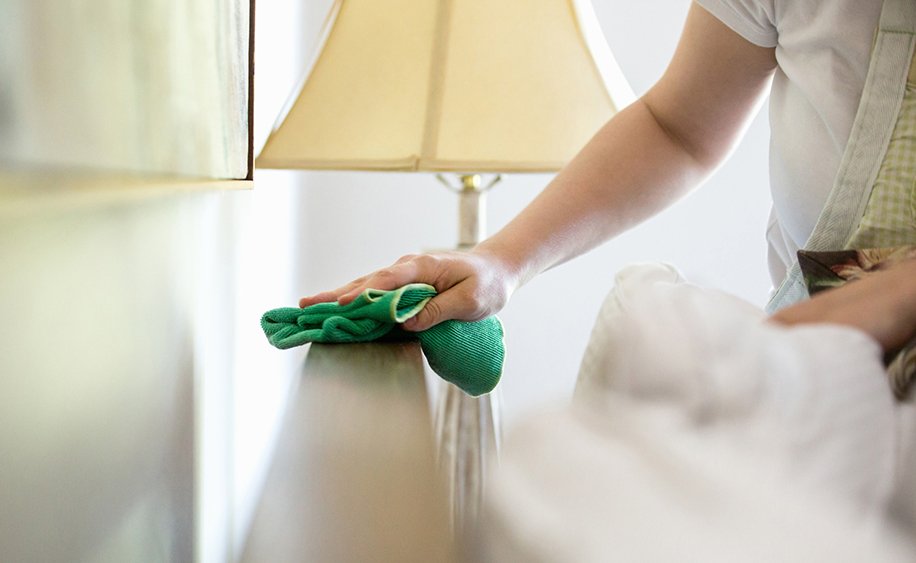
Microfiber traps dust instead of pushing it around. Use it slightly damp for best results, especially on glossy furniture and shelves.
Vacuum with strong filtration
If a vacuum has weak filtration, it can blow fine dust back into the air. A vacuum with a sealed system and HEPA-level filtration usually reduces dust noticeably, especially on carpets and rugs.
Air purifier (optional but effective)
A good air purifier can reduce airborne particles, especially in bedrooms and living rooms. It won’t replace cleaning, but it slows down how fast dust settles.
Extendable duster for high spots
Dust on ceiling corners, vents, and the tops of cabinets eventually falls and spreads. Reaching these areas quickly prevents that “dust rain” effect.
Common Mistakes That Make Dust Worse
Mistake 1: Dry dusting with a feather duster
This often lifts dust into the air and relocates it instead of removing it. You might feel productive, but dust will settle again fast.
Mistake 2: Vacuuming without cleaning the filter
A clogged filter reduces suction and can leak fine particles. Clean or replace filters as recommended. It’s one of the easiest upgrades to your results.
Mistake 3: Skipping rugs, baseboards, and vents
Dust collects at edges and low zones, then spreads upward through airflow and movement. If you only clean visible flat surfaces, dust will keep returning.
Mistake 4: Overusing scented sprays instead of removing dust
Air fresheners can mask odor, but they don’t solve the source. Dust trapped in fabric and carpets needs vacuuming, not perfume.
Mistake 5: Cleaning in the wrong order
If you vacuum first and dust later, you undo your work. A better order is:
- dust high areas
- wipe surfaces
- vacuum floors
- mop hard floors if needed
A Simple Weekly Dust-Reduction Routine (Low Effort)
You don’t need daily dusting. A realistic weekly flow works better:
- wipe surfaces with microfiber (slightly damp)
- vacuum floors and rugs thoroughly
- vacuum couch/chairs quickly
- wipe window sills and baseboards in the most used rooms
If you do this consistently, dust buildup slows down and your home stays fresher with less effort.
When Dust Feels Out of Control
If dust returns extremely fast or you notice it collecting heavily around vents and in bedrooms, it may be worth checking:
- HVAC filter quality and replacement schedule
- how often carpets and upholstery are vacuumed
- whether your home needs a deeper, more detailed cleaning reset
Reducing dust is mostly about removing particles instead of redistributing them. With the right tools and a smart routine, you’ll spend less time wiping the same surfaces and more time enjoying a home that actually feels clean.