

24 January 2026
Professional cleaning gives your home that “reset” feeling — fresh surfaces, clear floors, and a calm atmosphere. The challenge is keeping that feeling between visits without spending your whole week cleaning. The good news is that maintenance doesn’t require long routines. It works best when you combine small daily habits with a simple weekly system.
Below are practical, realistic ways to maintain a clean home between professional cleanings, especially if you want the space to stay consistently comfortable without turning cleaning into a second job.
Start With the Right Mindset: Maintenance Beats Catch-Up
Most homes get messy for the same reason: small tasks pile up until they become overwhelming. Maintenance is about preventing buildup. If you do a little bit regularly, you avoid spending hours later scrubbing, sorting, and trying to “fix everything at once.”
The goal is not a spotless home every day. The goal is that your home never reaches the point where it feels stressful to manage.
The Daily 10–15 Minute Reset That Changes Everything
The fastest way to keep a home clean is to do a short reset once per day. Pick a consistent time — after dinner or before bed works best — and focus only on visible clutter and high-traffic areas.
This daily reset usually includes:
- Put items back where they belong, especially in living room and kitchen
- Wipe kitchen counters and quickly rinse the sink
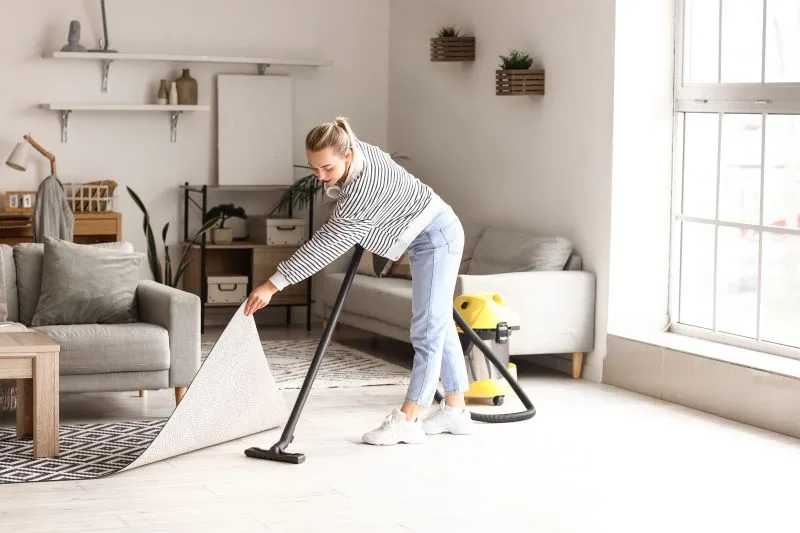
- Do a short sweep or vacuum in the most used areas
- Take out trash if it’s close to full
- Put laundry into a basket instead of leaving it on surfaces
When this becomes a routine, your home stays “under control” even if you skip a day or two.
Keep High-Traffic Zones Clean Longer
Some areas get dirty faster no matter how tidy you are. Entryways, kitchen floors, bathrooms, and the space around the sofa are the usual problem zones. If you focus maintenance on these areas, the entire home feels cleaner.
Good strategies include leaving a small tray for keys and mail, using a simple shoe rule near the entry, and keeping a handheld vacuum or cordless vacuum accessible. In many homes, convenience matters more than discipline. If tools are easy to reach, you’ll use them.
Make the Kitchen “Easy to Clean” Every Day
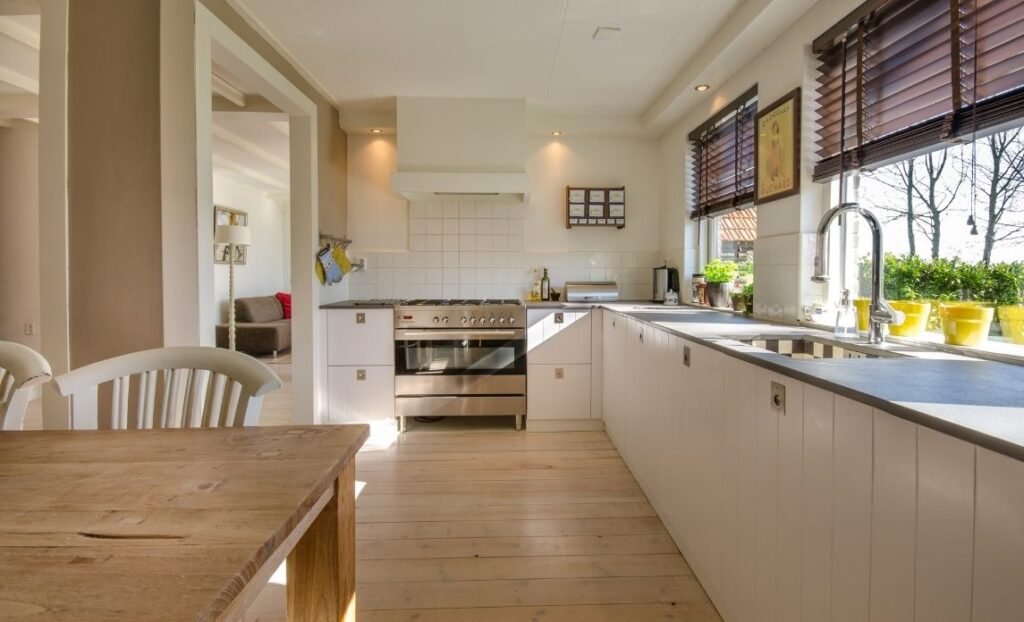
Kitchens often go from clean to chaotic in one evening. The key is preventing grease, crumbs, and dishes from sitting overnight. That’s what creates the need for heavy scrubbing later.
A simple maintenance routine works best:
- Wipe counters after cooking, not hours later
- Clean the stovetop lightly after each use, before it hardens
- Keep the sink clear at night, even if not every dish is perfect
- Run dishwasher daily or every other day if your household is active
If your home is in a busy area like Bellevue or Redmond and you have a tight schedule, this is one of the highest-impact routines because it affects how your home feels the moment you wake up.
Bathrooms: Small Habits Prevent Deep Scrubbing
Bathrooms are another area where buildup happens fast. Soap scum, water spots, and grime around faucets are much easier to prevent than remove.
You don’t need full bathroom cleaning between visits. Instead, use quick maintenance:
- Wipe sink and faucet with a microfiber cloth every few days
- Use a squeegee on shower glass if you have it
- Keep a toilet brush nearby and do a quick clean once or twice per week
- Replace damp towels promptly so the room stays fresh
Even a two-minute wipe-down after a shower can reduce how quickly surfaces look dull.
A Weekly “Mini Clean” That Supports the Professionals
Between professional visits, a short weekly routine is enough to keep things stable. Choose one day and do a quick pass through the home. This is not a deep clean, it’s a refresh.
Here’s a simple weekly checklist:
- Vacuum or mop main floors
- Change bed sheets and wipe bedside surfaces
- Clean mirrors and wipe bathroom counters
- Dust the most visible surfaces, especially in living room
- Empty trash and refresh entry area
If you keep this system, your professional cleanings become more efficient and your home stays consistently comfortable.
Control Clutter Before It Becomes a Cleaning Problem
A clean home is often about clutter management, not just wiping and scrubbing. When surfaces are crowded, dusting and cleaning become harder and more time-consuming.
One of the easiest habits is a “one-touch rule”: don’t put something down “for now” unless it’s in its place. Another useful approach is keeping one small basket in the main living area for items that belong elsewhere. Once per day, walk the basket through the home and put things away.
This simple method keeps rooms looking clean even when life is busy.
Use the Right Tools and Keep Them Visible
Maintenance is easier when the right tools are nearby. You don’t need a closet full of products. You need a few reliable basics and easy access.
A small maintenance kit can include:
- Microfiber cloths
- Gentle all-purpose cleaner
- Glass cleaner or diluted vinegar solution
- A small vacuum or handheld vacuum
- Disinfecting wipes for quick touch-ups
If these items are hidden deep in a cabinet, you’ll use them less. If they’re easy to grab, you’ll maintain more often without thinking.
How to Keep That “Fresh Home” Feeling
A home can look clean and still feel stale. Air quality and smell matter. The simplest way to keep freshness is to manage fabrics and airflow.
Between professional visits:
- Ventilate daily, even for 5–10 minutes
- Wash kitchen towels often
- Replace or wash bathroom mats regularly
- Vacuum upholstery and rugs to reduce dust buildup
This is especially important for households with pets or allergies, because maintaining freshness helps reduce irritation and keeps the space comfortable.
The Best Approach: A Light Routine That Actually Sticks
The biggest mistake people make is creating a maintenance plan that’s too big. If it feels heavy, it won’t last. A clean home between professional cleanings is usually the result of short, consistent habits.
If your home is maintained with small daily resets and one weekly refresh, professional cleaning visits become less stressful and more valuable. Instead of “catching up,” your cleaners can focus on detailed quality — and you get to enjoy a home that stays calm, fresh, and easy to live in.