

25 September 2025
In recent years, there has been growing awareness of the potential health risks posed by harsh chemicals in cleaning products. Many common household cleaners contain ingredients that can cause irritation to the skin, eyes, and respiratory system, while also contributing to environmental pollution. Fortunately, there are plenty of natural alternatives that allow you to keep your home clean without exposing your family or the planet to harmful chemicals.
In this guide, we’ll explore simple and effective ways to reduce the use of chemicals in your home cleaning routine, using safe, eco-friendly solutions that work just as well.
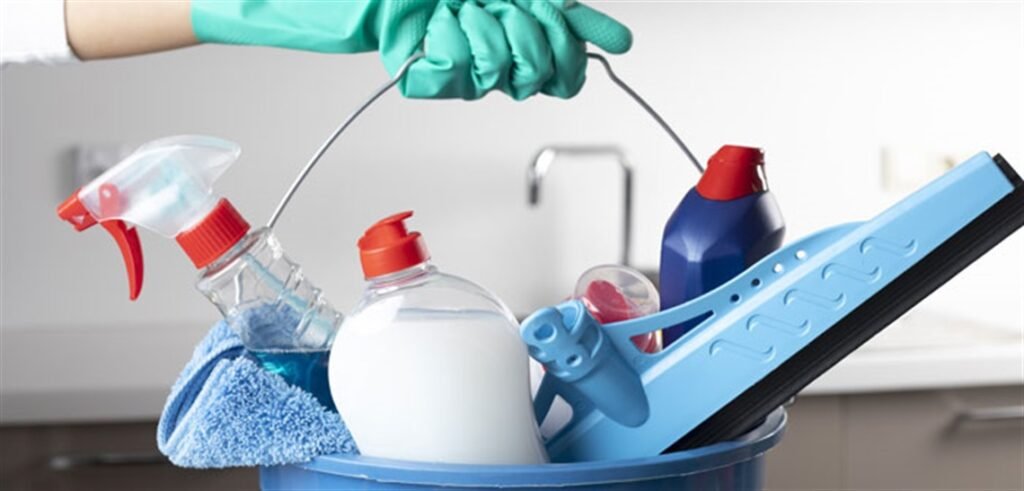
Why Should You Reduce Chemicals in Your Home Cleaning?
Reducing the number of chemicals you use in your home cleaning can have several benefits:
- Healthier Living Environment: Many conventional cleaning products contain volatile organic compounds (VOCs), which can contribute to respiratory issues, headaches, and skin irritation. Reducing chemical exposure creates a healthier environment for your family.
- Safer for Children and Pets: Harsh chemicals can be especially dangerous for children and pets, who are more susceptible to poisoning or skin irritation. Using non-toxic cleaning solutions ensures that your home is safe for everyone.
- Eco-Friendly: Chemical cleaning products often contain ingredients that are harmful to the environment. By switching to natural cleaners, you can reduce water and air pollution, helping to preserve the planet.
- Cost-Effective: Many natural cleaning ingredients, such as vinegar, baking soda, and lemon, are affordable and widely available, making them a budget-friendly option compared to commercial cleaning products.
Step-by-Step Guide to Reducing Chemicals in Your Home Cleaning
1. Swap Harsh Cleaners for Natural Alternatives
The first step in reducing chemicals in your home cleaning is to replace traditional cleaning products with natural alternatives. Here are some simple and effective natural ingredients that can be used for a variety of cleaning tasks:
- Vinegar: Vinegar is an excellent all-purpose cleaner. It has natural antibacterial properties and can dissolve grease, grime, and mineral deposits. It’s great for cleaning countertops, mirrors, glass, and even as a fabric softener.
- Baking Soda: Baking soda is a natural abrasive, making it perfect for scrubbing away stains and odors. It’s safe to use on sinks, tubs, toilets, and even as a deodorizer for carpets and upholstery.
- Lemon: The acidity in lemon makes it an effective cleaner that can cut through grease and leave surfaces sparkling. It also has natural antibacterial properties and leaves a fresh scent.
- Castile Soap: Castile soap is a gentle, plant-based soap that can be used for cleaning everything from dishes to floors. It’s a great alternative to chemical-laden dish detergents and all-purpose cleaners.
How to Use:
- All-Purpose Cleaner: Mix equal parts white vinegar and water in a spray bottle for an effective all-purpose cleaner.
- Glass Cleaner: Mix water and vinegar in a 2:1 ratio for a streak-free shine on windows and mirrors.
- Scrubbing Paste: Mix baking soda and water to create a paste that works great for scrubbing tough stains.
- Disinfecting Spray: Combine lemon juice, vinegar, and water in a spray bottle for a natural disinfectant that also smells great.
2. Embrace Homemade Cleaning Products
Making your own cleaning products allows you to control exactly what goes into them, ensuring that you avoid harmful chemicals. Plus, homemade cleaners are simple to make and often require just a few basic ingredients.
DIY Cleaning Recipes:
- All-Purpose Cleaner:
- 1 cup water
- 1 cup white vinegar
- 1 tablespoon baking soda
- 10-20 drops essential oil (optional, for fragrance)
Mix all ingredients in a spray bottle and shake to combine. This cleaner works for countertops, bathroom surfaces, and more.
- Bathroom Cleaner:
- 1 cup baking soda
- ¼ cup liquid Castile soap
- 10 drops tea tree oil (optional, for disinfecting)
Mix together and scrub surfaces such as sinks, tubs, and toilets.
- Floor Cleaner:
- 1 gallon warm water
- 1/4 cup white vinegar
- 2-3 drops of essential oil (e.g., lemon, lavender, or eucalyptus)
Use this solution to mop floors throughout your home.
3. Use Essential Oils for Fragrance and Antibacterial Properties
Essential oils are a fantastic way to add pleasant fragrances to your home without resorting to synthetic air fresheners or chemical-laden cleaners. Many essential oils also have antibacterial and antiviral properties, which make them perfect for use in cleaning.
- Tea Tree Oil: Known for its antibacterial and antifungal properties, tea tree oil is a great addition to your DIY cleaners, especially for the bathroom or kitchen.
- Lavender Oil: Lavender oil has natural disinfecting properties and a calming fragrance, making it ideal for use in bedroom and living area cleaning.
- Eucalyptus Oil: Eucalyptus oil has natural antibacterial properties and a refreshing, clean scent that’s perfect for general cleaning purposes.
To incorporate essential oils into your cleaning routine, simply add a few drops to your homemade cleaning solutions or diffusers for a fresh, natural fragrance.
4. Opt for Eco-Friendly Commercial Cleaners
If you prefer store-bought cleaning products, look for eco-friendly, non-toxic alternatives. Many brands now offer cleaning products that are free from harmful chemicals such as ammonia, chlorine bleach, and phthalates. These products use plant-based ingredients and essential oils for effective cleaning and natural fragrance.
When choosing eco-friendly cleaners, look for the following certifications:
- Green Seal: Indicates that the product meets strict environmental and health standards.
- EPA Safer Choice: Signifies that the product is safer for human health and the environment.
- Cruelty-Free: Ensures that the product has not been tested on animals.
5. Reduce Single-Use Plastics in Your Cleaning Routine
Many cleaning products come in plastic packaging, which contributes to environmental pollution. To reduce your plastic waste, consider switching to refillable cleaning bottles and using products with minimal packaging.
- Refillable Bottles: Invest in reusable spray bottles and refill them with homemade cleaning solutions or eco-friendly store-bought cleaners.
- Microfiber Cloths: Instead of using paper towels, opt for reusable microfiber cloths that are washable and can be used multiple times.
Additional Tips for Reducing Chemicals in Your Home Cleaning
- Declutter Regularly: A clean home is easier to maintain when it’s free of clutter. Regularly declutter your space to reduce dust and make cleaning more efficient.
- Ventilate Your Home: Ensure that your home is well-ventilated when cleaning, especially when using cleaning products, to avoid inhaling any residual fumes.
- Natural Air Fresheners: Instead of synthetic air fresheners, use natural air fresheners like baking soda (to absorb odors) or a bowl of lemon slices and herbs for a fresh scent.
Reducing chemicals in your home cleaning routine is not only better for your health but also for the environment. By making simple switches to natural ingredients, embracing DIY cleaning products, and opting for eco-friendly store-bought cleaners, you can create a cleaner, healthier home without relying on harsh chemicals. Start small, and over time, you’ll enjoy the benefits of a non-toxic, eco-friendly cleaning routine that’s safe for you, your family, and the planet.