

September 17, 2025
When it comes to cleaning, the type of cloth you use can make a big difference in the effectiveness and efficiency of the task. Two of the most popular choices are microfiber and cotton cloths, but how do they compare in terms of cleaning performance? While both materials have their uses, understanding the differences between them can help you choose the best option for your cleaning needs.
In this article, we’ll explore the advantages and disadvantages of microfiber and cotton cloths, so you can make an informed decision about which one cleans better for your home or office.
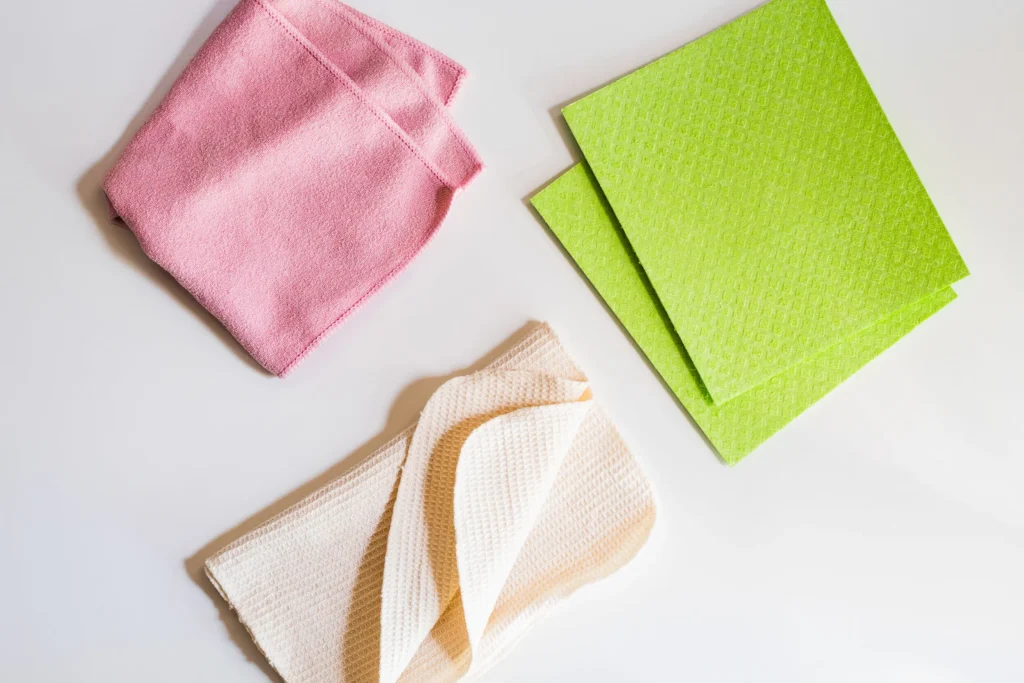
What is Microfiber?
Microfiber is a synthetic material made from a blend of polyester and polyamide fibers. These fibers are extremely fine—much thinner than a human hair—which allows microfiber cloths to trap dust, dirt, and bacteria more effectively than traditional cleaning cloths. Microfiber is designed to have a very high absorbency rate, making it an excellent option for a wide range of cleaning tasks.
Key Features of Microfiber:
- Fine fibers: Microfiber is made up of tiny fibers that can pick up and trap dirt, dust, and bacteria.
- Highly absorbent: Microfiber can absorb several times its weight in liquid, making it great for wiping up spills and drying surfaces.
- Non-abrasive: Despite its fine structure, microfiber is gentle on surfaces and won’t scratch or damage delicate materials.
What is Cotton?
Cotton is a natural fiber derived from the cotton plant. It has been used for centuries in textiles due to its softness and durability. Cotton cloths are often chosen for their ability to absorb moisture and their gentle touch, making them a popular option for household and cleaning tasks.
Key Features of Cotton:
- Soft and gentle: Cotton is known for its soft texture, making it a good choice for delicate surfaces like glass and polished wood.
- Moderate absorbency: While cotton cloths are absorbent, they can only hold a fraction of the liquid that microfiber cloths can.
- Eco-friendly: Cotton is biodegradable and a more sustainable option compared to synthetic materials like microfiber, making it a good choice for environmentally-conscious cleaning.
Microfiber Cloth vs Cotton Cloth: Cleaning Performance
1. Dirt and Dust Removal
Microfiber cloths are much more efficient at picking up dirt and dust compared to cotton cloths. The fine fibers in microfiber create a dense network that traps particles, preventing them from being pushed around or redeposited onto surfaces. In contrast, cotton fibers are larger and don’t have the same ability to trap dust, often just pushing it around.
Microfiber:
- Traps dirt and dust effectively.
- Can pick up even microscopic particles.
- Great for detailed cleaning and dusting.
Cotton:
- Removes larger particles of dirt, but may not trap smaller dust and allergens as effectively.
- Less effective for fine dust and dirt compared to microfiber.
Winner: Microfiber
2. Absorbency
Microfiber cloths are highly absorbent, capable of holding several times their weight in liquid, which makes them perfect for wiping down surfaces or cleaning up spills. Cotton cloths are absorbent as well but tend to get saturated more quickly, requiring more frequent wringing out.
Microfiber:
- Can absorb more liquid without becoming saturated.
- Great for drying surfaces, including glass and counters.
Cotton:
- Absorbs moisture, but tends to become wet faster and needs more frequent wringing out.
- Ideal for light spills but less effective for large volumes of liquid.
Winner: Microfiber
3. Durability and Lifespan
Cotton cloths are durable and can last a long time, especially if cared for properly. However, over time, they can lose some of their absorbency and become worn out after repeated use and washing. Microfiber cloths are also quite durable, but they require special care to maintain their effectiveness. They should be washed with care (no fabric softener) to preserve the integrity of the fibers.
Microfiber:
- Long-lasting with proper care.
- Can maintain its absorbency and effectiveness for longer than cotton if cared for properly.
Cotton:
- Durable, but can lose effectiveness after multiple washes, especially in terms of absorbency.
- May fray or get worn down more quickly with heavy use.
Winner: Microfiber (with proper care)
4. Streak-Free Shine
When it comes to achieving a streak-free shine on surfaces like windows, mirrors, and glass, microfiber outperforms cotton. The fine fibers in microfiber cloths do not leave behind lint or streaks, making them ideal for polishing surfaces to a sparkling finish. Cotton cloths, on the other hand, can leave lint behind and sometimes cause streaks, especially if not properly washed.
Microfiber:
- Great for achieving a streak-free finish on glass, mirrors, and shiny surfaces.
- Doesn’t leave lint or residue.
Cotton:
- May leave lint or streaks on shiny surfaces.
- Not ideal for polishing or cleaning glass to a streak-free shine.
Winner: Microfiber
5. Environmental Impact
Cotton is a natural, biodegradable material, making it more environmentally friendly compared to synthetic microfiber. Microfiber, being made of polyester and polyamide, is not biodegradable and can contribute to microplastic pollution, especially when washed. However, microfiber cloths are durable and reusable, which can reduce the need for disposable cleaning products, helping to reduce waste in the long run.
Microfiber:
- Not biodegradable, and synthetic fibers contribute to microplastic pollution.
- Durable and reusable, reducing the need for disposable cleaning products.
Cotton:
- Biodegradable and eco-friendly.
- Can be composted after its useful life.
Winner: Cotton (from an environmental perspective)
Which Cloth Cleans Better?
Both microfiber and cotton have their strengths and can be effective for different cleaning tasks. However, microfiber generally outperforms cotton when it comes to:
- Dust and dirt removal
- Absorbency
- Streak-free finishes
Cotton, on the other hand, excels when you’re looking for an eco-friendly option, and it’s still a great choice for lighter cleaning tasks or for use on delicate surfaces.
In the debate of microfiber vs cotton cloth, microfiber is the clear winner when it comes to cleaning performance. It is more effective at picking up dirt, dust, and moisture, and it can deliver streak-free, lint-free results on surfaces like glass and mirrors. However, if you’re looking for an eco-friendly option, cotton is a great choice for sustainable cleaning, as it is biodegradable and less harmful to the environment.
For the best results, consider using both: microfiber for heavy-duty cleaning tasks and cotton for lighter cleaning or when you want a more environmentally friendly option.