

September 30, 2025
Commercial carpets face a lot of foot traffic every day, making them more susceptible to dirt, stains, and wear. Maintaining these carpets is not just about aesthetics; it’s also about creating a clean, professional environment for employees and clients. Whether you manage an office building, a retail store, or a hotel, knowing how to clean commercial carpets effectively is crucial for prolonging their lifespan and maintaining a hygienic space.
In this article, we’ll walk you through the best practices for cleaning commercial carpets, from routine maintenance to deep cleaning techniques, and highlight the tools and products that make the job easier and more efficient.
Why Regular Carpet Cleaning is Important in Commercial Spaces
Commercial carpets endure heavy use, and over time, they can accumulate dirt, dust, allergens, and bacteria. Regular cleaning not only improves the appearance of the carpet but also enhances the overall health of your workplace. Here are some reasons why maintaining clean carpets is vital in commercial settings:
- Health and Safety: Dust, allergens, and bacteria can lead to health issues, especially for employees or customers with allergies. Regular cleaning reduces the buildup of harmful particles.
- Aesthetic Appeal: Clean carpets contribute to a professional and welcoming atmosphere, which is essential for making a good impression on clients, customers, and visitors.
- Extended Carpet Lifespan: Regular cleaning prevents dirt and grime from breaking down carpet fibers, thus extending their lifespan and saving you money in the long run.
1. Daily Maintenance: The Key to Clean Carpets
The first step in cleaning commercial carpets is consistent daily or weekly maintenance. High-traffic areas, such as entrances, hallways, and meeting rooms, require more attention, as these areas accumulate dirt quickly.
How to Maintain Carpets Daily:
- Vacuum Regularly: Frequent vacuuming is essential to remove dirt, dust, and debris. Make sure to use a high-quality vacuum cleaner equipped with HEPA filters to capture fine particles and allergens.
- Focus on High-Traffic Areas: Pay extra attention to areas where people walk the most, as they accumulate dirt more quickly. Consider using mats or rugs in these areas to prevent excessive dirt buildup.
- Spot Clean Stains Immediately: Promptly address spills or stains by blotting them with a clean cloth or paper towel. Avoid scrubbing, as this can push the stain further into the fibers.
2. Deep Cleaning: The Comprehensive Approach
While regular vacuuming is essential, deep cleaning is necessary to remove embedded dirt, stains, and allergens that surface cleaning can’t reach. Deep cleaning should be done periodically, typically every 6-12 months, depending on the traffic in the area.
How to Deep Clean Commercial Carpets:
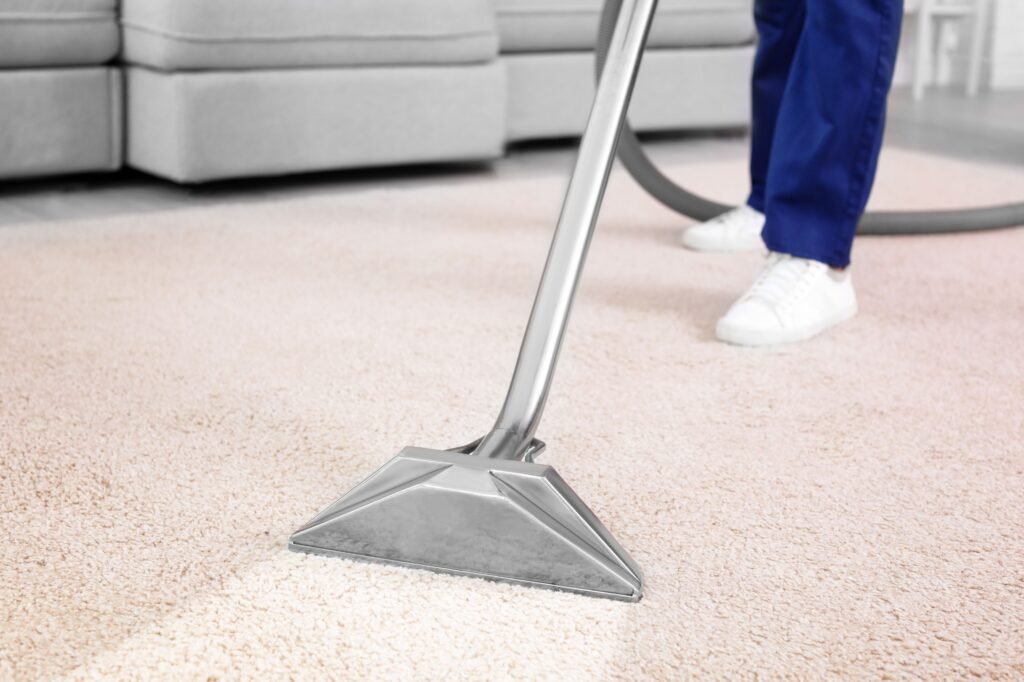
- Steam Cleaning: Steam cleaning, or hot water extraction, is one of the most effective deep cleaning methods for carpets. The process involves injecting hot water and cleaning solution into the carpet fibers and then extracting it along with the dirt.
How to Use Steam Cleaning:- Use a professional steam cleaning machine or hire a service provider.
- Apply a hot water and cleaning solution mixture to the carpet.
- Extract the dirty water and residue, leaving the carpet clean and refreshed.
- Steam cleaning not only removes dirt but also sanitizes the carpet, making it a great option for areas with high foot traffic and frequent spills.
- Dry Cleaning: Another option for commercial carpets is dry cleaning, which uses minimal moisture and special cleaning powders. This method is ideal for carpets that cannot handle excessive water, such as wool carpets or delicate fibers.
How to Use Dry Cleaning:- Sprinkle a commercial dry cleaning powder over the carpet.
- Use a machine to scrub the powder into the fibers.
- Allow the powder to sit for a while, then vacuum it up to remove dirt and debris.
- Shampooing: Shampooing is an effective method for removing stubborn stains and dirt from carpets. It involves using a carpet shampooer to apply a cleaning solution to the carpet fibers.
How to Shampoo a Carpet:- Apply a carpet shampoo to the affected area.
- Scrub gently using a brush or machine.
- Let the carpet dry thoroughly to avoid any mold growth.
3. Using the Right Products and Equipment
The key to effective commercial carpet cleaning lies in choosing the right products and equipment. Using the wrong cleaning solutions can damage the carpet fibers or leave behind residues that attract more dirt.
Essential Products and Equipment:
- Carpet Cleaning Solutions: Always use a cleaning solution that is designed specifically for commercial carpets. These solutions are formulated to tackle dirt, stains, and bacteria without damaging the carpet.
- High-Quality Vacuum Cleaner: A vacuum cleaner with a HEPA filter is essential for removing allergens and fine dust particles. Be sure to choose one with adjustable height settings to ensure it can clean both low and high-pile carpets.
- Rotary Scrubbers: For larger commercial spaces, using a rotary scrubber can help cover large areas more efficiently, especially when combined with a cleaning solution.
- Spot Removers: Having a spot remover on hand is essential for quick cleaning of stains or spills before they set into the carpet.
4. Professional Carpet Cleaning Services: When to Call an Expert
While daily maintenance and occasional deep cleaning are important, there will be times when you need professional help. Hiring a professional carpet cleaning service is the best option if:
- The Stains Are Stubborn: If the stains are persistent and cannot be removed through regular cleaning, professional cleaners have the experience and tools to handle them.
- You Need Deep Cleaning: If your carpets require a deep cleaning and you don’t have the right equipment or expertise, calling in a professional is the best solution.
- There’s Excessive Wear: If your carpets are showing signs of wear and tear, professional cleaning can help rejuvenate the fibers and restore their appearance.
5. Preventing Future Stains and Damage
To maintain your commercial carpets for a longer period, consider these preventive measures:
- Use Entrance Mats: Place mats at all entrances to reduce dirt and moisture being tracked into the building.
- Regular Spot Cleaning: Regularly treat minor stains to prevent them from setting in and becoming permanent.
- Professional Maintenance: Schedule professional carpet cleanings every 6-12 months to keep your carpets in top condition.
Cleaning commercial carpets effectively requires a combination of daily maintenance and periodic deep cleaning. By following the right methods and using the correct products and equipment, you can extend the life of your carpets, improve indoor air quality, and create a healthier, more welcoming environment for your employees and clients.
Remember, if you’re unsure about how to clean your commercial carpets or need assistance with deep cleaning, it’s always a good idea to contact a professional carpet cleaning service. They can provide specialized care that ensures your carpets stay clean and in great condition for years to come.